
Energy-Boosting Foods for Women
Discover the science-backed foods that deliver sustained energy, combat fatigue, and support your active lifestyle. A comprehensive guide to natural nutrition for optimal wellness.
The information on this site is for educational purposes only and does not constitute medical advice. Always consult a qualified healthcare professional before making health decisions.
Top Energy-Boosting Superfoods
Explore our visual gallery of nutrient-dense foods that naturally sustain energy levels and support women's wellness throughout the day.

Quinoa & Legumes
Complete proteins and complex carbohydrates that provide long-lasting energy without blood sugar spikes. Rich in fiber and essential amino acids.

Leafy Greens
Spinach, kale, and Swiss chard deliver iron, magnesium, and folate—nutrients crucial for oxygen transport and energy metabolism in women's bodies.

Fresh Berries
Blueberries, raspberries, and strawberries offer natural sugars for quick energy plus antioxidants that reduce fatigue and support mental clarity.

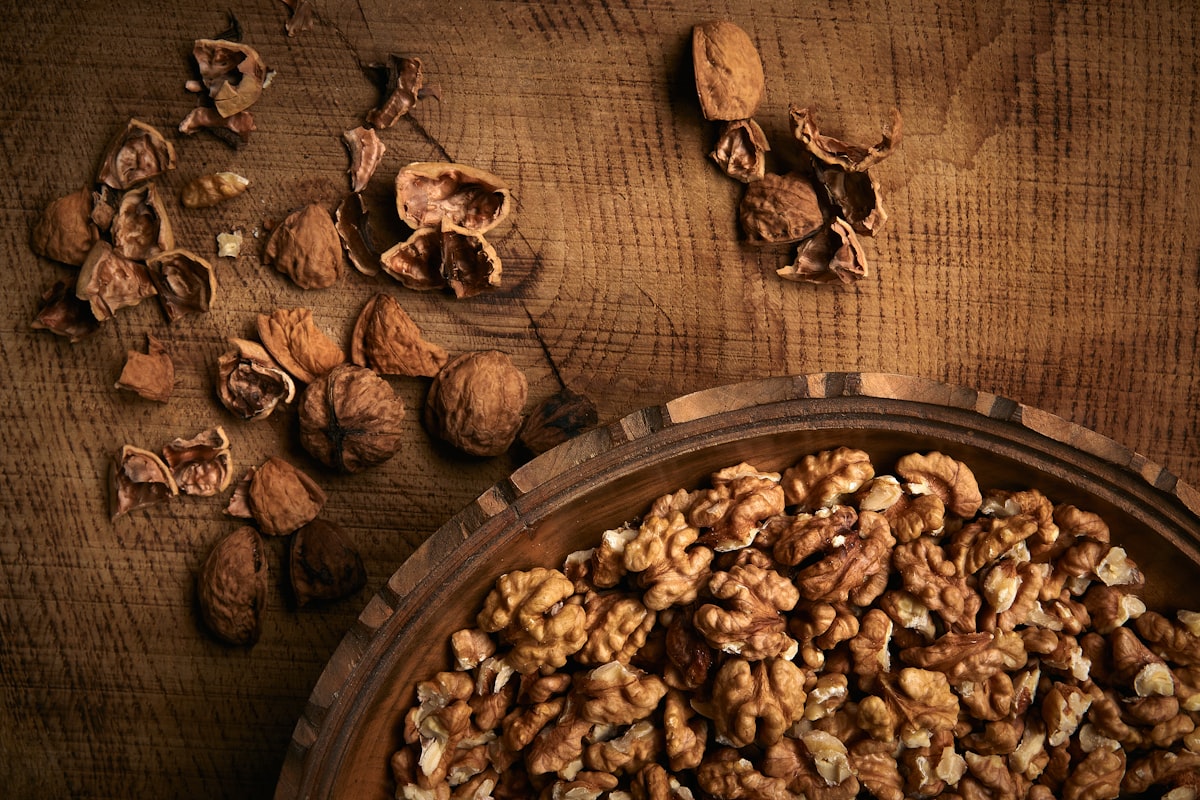
Nuts & Seeds
Almonds, walnuts, chia seeds, and pumpkin seeds provide healthy fats and B vitamins that fuel sustained energy and hormone balance.
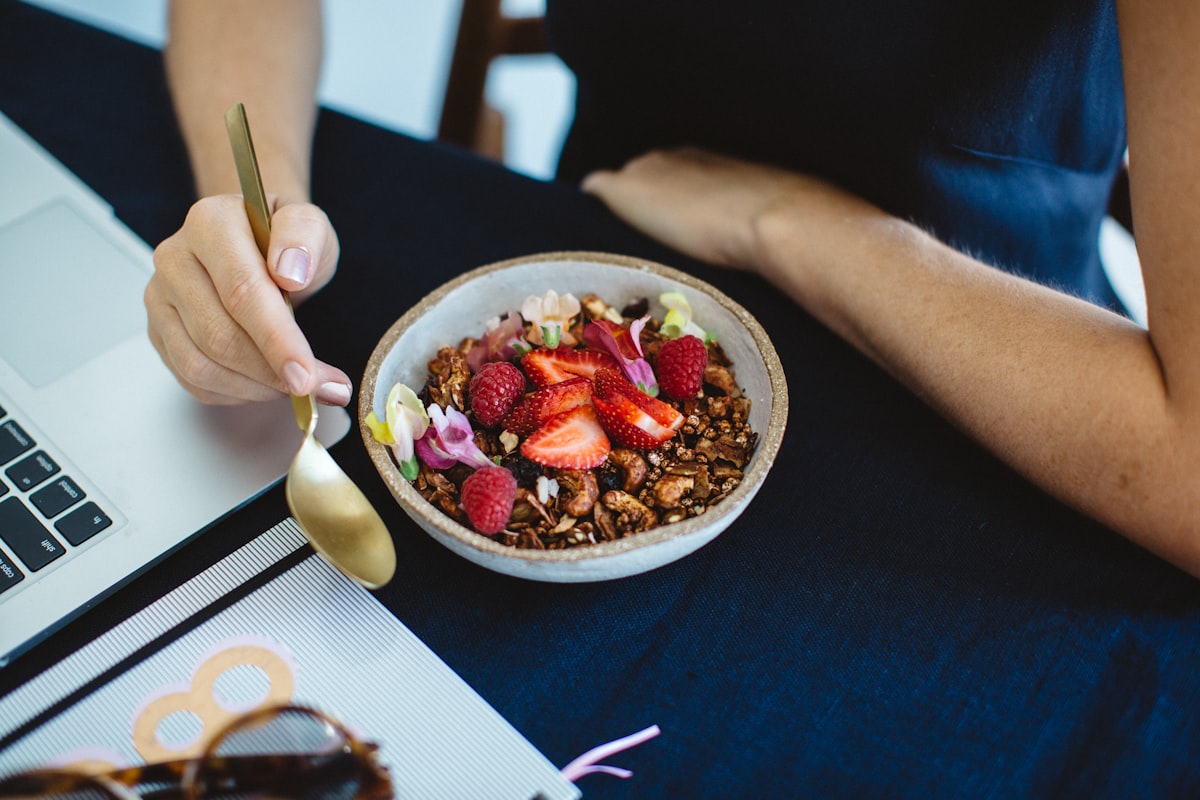
Whole Grains
Oats, brown rice, and whole wheat release energy slowly, maintaining stable blood sugar levels throughout your day for consistent vitality.

Protein-Rich Foods
Eggs, Greek yogurt, and lean proteins stabilize energy by preventing fatigue crashes. Essential for muscle recovery and sustained vitality.
Why Women Need Sustained Energy
Women's energy needs fluctuate throughout the month due to hormonal cycles, making consistent nutrition especially important. The right foods support energy production at the cellular level while maintaining stable blood sugar.
Iron deficiency is more common in women and directly impacts energy levels and cognitive function. Quality nutrition rich in bioavailable iron, B vitamins, and magnesium creates the foundation for sustained vitality and clear focus.
Beyond hormonal balance, sustained energy enhances productivity, mood regulation, and overall quality of life. Strategic food choices work with your body's natural rhythms rather than against them.
Building Your Perfect Energy Bowl
A five-step framework for creating nutrient-complete meals that sustain your energy from breakfast through dinner.
Choose Your Protein Base
Start with 20-30 grams of quality protein: eggs, Greek yogurt, legumes, tofu, or lean fish. Protein stabilizes blood sugar and prevents energy crashes between meals.
Add Complex Carbohydrates
Include whole grains, sweet potatoes, or oats. These release glucose slowly, providing sustained energy without the spike-and-crash pattern of refined carbs.
Load Up on Vegetables
Fill half your plate with colorful vegetables—especially dark leafy greens, peppers, and cruciferous varieties. They provide minerals like magnesium and iron essential for energy metabolism.
Include Healthy Fats
Add olive oil, avocado, nuts, or seeds. Healthy fats support nutrient absorption, hormone production, and sustained energy release throughout the day.
Top with Energy Boosters
Finish with seeds, berries, fresh herbs, or a sprinkle of sea salt. These add micronutrients and create flavor variety that makes sustained healthy eating enjoyable.
Essential Energy Boosters Explained
Understanding the key nutrients that power women's energy and how to recognize them in food sources.
Iron
Essential for oxygen transport and energy production. Women lose iron monthly through menstruation, making adequate intake crucial.
Sources: Red meat, spinach, lentils, pumpkin seeds, fortified cereals
B Vitamins
B12, B6, and folate directly power cellular energy conversion. They also support mood and cognitive function for holistic vitality.
Sources: Eggs, fish, whole grains, chickpeas, nutritional yeast
Magnesium
Activates over 300 enzymes in your body, including those required for ATP (energy) production. Combats fatigue and muscle tension.
Sources: Almonds, pumpkin seeds, dark chocolate, spinach, avocado
Complex Carbohydrates
Provide glucose for brain and muscle fuel while maintaining stable blood sugar. Unlike simple sugars, they sustain energy without crashes.
Sources: Oats, brown rice, whole wheat bread, sweet potatoes, quinoa
Healthy Fats
Support hormone production and nutrient absorption. Omega-3s reduce inflammation that can cause fatigue and brain fog.
Sources: Salmon, walnuts, chia seeds, olive oil, flaxseeds
Antioxidants
Fight oxidative stress that depletes cellular energy. Protect mitochondria and support recovery, enhancing sustained vitality.
Sources: Berries, dark green vegetables, dark chocolate, green tea, beets
Real Stories from Women Like You
Discover how women across Finland and beyond transformed their energy levels through informed food choices and sustained nutrition practices.
"I struggled with afternoon energy crashes that derailed my work. After learning about sustained nutrition and swapping refined carbs for whole grains and protein, I finally have consistent energy throughout my entire day. The information here genuinely changed my approach to eating."
Emma Virtanen
Marketing Professional, Helsinki
"As an athlete, understanding which foods support energy production without inflammation has been game-changing. The detailed nutrient breakdowns helped me optimize my meals for both training and recovery. My performance and mood have improved noticeably."
Maija Laine
Fitness Coach & Athlete, Tampere
"I'm a busy mother of two, and learning to build energy-sustaining meals quickly has been invaluable. This resource showed me how to prepare nutrient-dense food that keeps me functional through my hectic schedule. The practical approach is exactly what I needed."
Anna Mäkinen
Business Owner & Parent, Turku
"The explanation of how hormonal cycles affect energy was eye-opening. I've adjusted my nutrition accordingly and finally understand why some weeks felt harder than others. This knowledge has made me feel more in control of my wellness."
Lily Salminen
Consultant, Oulu
Common Questions About Energy Foods
Find answers to frequently asked questions about nutrition for sustained energy and women's wellness.
How much iron do women need daily for optimal energy?
Adult women aged 19-50 need 18 mg of iron per day; women over 50 need 8 mg daily. However, individual needs vary based on cycle regularity, dietary choices, and absorption capacity. Pairing iron-rich foods with vitamin C sources (citrus, peppers, tomatoes) enhances absorption. If you consistently feel fatigued despite adequate food intake, consult with a healthcare provider for personalized assessment.
Are there energy foods specifically for menstrual cycle phases?
Yes, your nutritional needs shift with your cycle. During the follicular phase (low estrogen), prioritize complex carbs and regular iron intake. The luteal phase (higher progesterone) benefits from increased magnesium, healthy fats, and slightly higher calories. The menstrual phase calls for iron-rich foods to offset losses and B vitamins for energy support. Learning these patterns helps optimize your nutrition timing and energy levels throughout the month.
Why do refined carbohydrates cause energy crashes?
Refined carbs (white bread, sugary drinks, pastries) digest rapidly, causing a sharp blood sugar spike. Your body releases insulin to lower this spike quickly, resulting in a sharp drop below normal levels. This "crash" triggers fatigue, brain fog, and cravings for more sugary foods. Complex carbs digest slowly, maintaining stable blood sugar and sustained energy. They also provide fiber, which slows digestion and prevents spikes altogether.
How does magnesium support energy production at the cellular level?
Magnesium is a cofactor for ATP synthase, the enzyme that produces ATP (adenosine triphosphate)—your cells' primary energy currency. Without adequate magnesium, your mitochondria cannot efficiently generate energy, leading to fatigue and weakness. Additionally, magnesium supports muscle relaxation and reduces the inflammatory response that drains energy reserves. Women often have suboptimal magnesium levels due to stress, processed food diets, and menstrual losses.
Can plant-based protein sources provide enough energy for active women?
How does Vitalbreathe help with respiratory wellness?
Are Vitalbreathe products suitable for vegans?
What Women Athletes Say
Real stories from real athletes who've transformed their wellness journey with Vitalbreathe.
"Vitalbreathe's supplements have genuinely improved my breathing during intense training sessions. I notice better endurance and faster recovery. Highly recommend!"
Sarah M.
Marathon Runner & Fitness Coach
"As a vegan athlete, finding quality supplements that align with my values was challenging. Vitalbreathe is exactly what I needed—pure, plant-based, and effective."
Jessica L.
Yoga Instructor & Wellness Advocate
"The combination of respiratory support and nutritional guidance from Vitalbreathe has transformed my athletic performance. I feel stronger and breathe easier."
Amanda K.
Competitive Cyclist
Ready to Transform Your Wellness?
Join thousands of women athletes who are breathing easier, performing better, and living healthier lives with Vitalbreathe.
Free shipping on orders over $50 | 30-day money-back guarantee | Vegan & cruelty-free certified